

Tax invoices are typically issued by the supplier. However, in some cases, the recipient (or purchaser) may issue the invoice instead. This is called a Recipient-Created Tax Invoice (RCTI). But when can you issue an RCTI, and what should you know about GST compliance? Let’s break it down.
In June 2023, the Australian Taxation Office (ATO) introduced the Recipient-Created Tax Invoice Determination 2023 (LI 2023/20). In 2025, the ATO updated its guidance. These updates help businesses understand their BAS compliance when issuing RCTIs. The ATO is focused on GST compliance and warns against claiming GST credits if RCTIs are issued to suppliers who are no longer GST-registered.
What is an RCTI?
Typically, the supplier issues the tax invoice. However, in some cases, the recipient of goods or services may issue it instead. This is called a Recipient-Created Tax Invoice (RCTI). It’s allowed when both the supplier and recipient are GST-registered and have a written agreement allowing the recipient to issue the invoice. A good example of when an RTCI is issued is when a banana farmer sends his fruit to a merchant. Banana prices fluctuate daily based on quality, size, demand, and market conditions. A merchant is in the best position to determine the actual sale price, so when they issue the RCTI, the invoiced amount accurately reflects what the farmer’s produce sold for. This avoids disputes or guesswork about pricing.
When Can You Issue an RCTI?
To issue an RCTI, the following conditions must apply:
- GST Registration: Both the purchaser and supplier must be GST-registered when the RCTI is issued.
- Written Agreement: There must be a formal agreement stating that the recipient will issue the invoice, and the supplier won’t.
- Agreement Validity: The agreement must be valid when you issue the RCTI.
- Commissioner’s Determination: The goods or services supplied must be eligible for RCTI invoicing as specified by the Commissioner.
The Recipient Created Tax Invoice Determination 2023 outlines the eligible goods and services. Refer to it for more details on what the agreement must include.
What Makes an RCTI Valid?
For an RCTI to be valid, it must meet these key requirements:
- Clear Identification: The document must clearly state that it is a Recipient-Created Tax Invoice.
- ABN Details: Include both the supplier’s and purchaser’s ABNs.
- GST Information: Show that the supplier is responsible for paying GST (if applicable).
- Issuance Timeframe: Issue the original or a copy of the RCTI within 28 days of the sale date or the date you determine the sale value.
- Record Retention: Keep a copy of the RCTI for your records.
If any of these conditions are no longer met (e.g., if the supplier becomes unregistered for GST), stop issuing RCTIs.
Responsibilities When Issuing RCTIs
If you issue RCTIs, it’s important to meet certain responsibilities for compliance:
- Check GST Registration: Always confirm the supplier is GST-registered before issuing your first RCTI. Continue to check their status regularly.
- Systematic Checks: Set up reliable systems to ensure your GST claims are correct and that your RCTIs follow ATO rules.
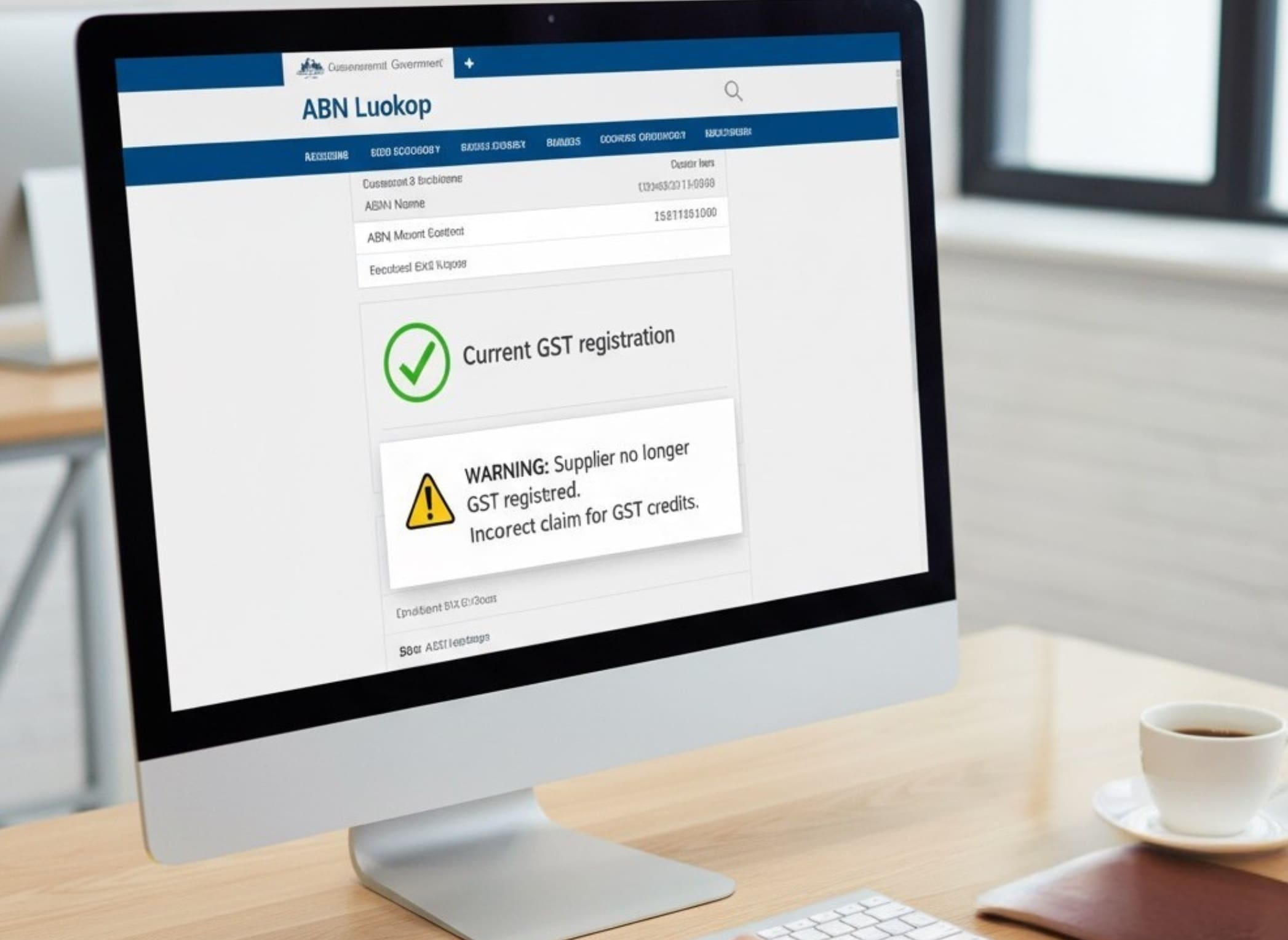
- Use Automated Tools: Use tools like ABN Lookup to verify that the supplier remains GST-registered.
What Happens If the Supplier Is No Longer GST-Registered?
If you keep issuing RCTIs to a supplier who is no longer GST-registered, you may claim GST credits incorrectly. If this happens, you must make a voluntary disclosure to fix the error. To avoid this, regularly check that your suppliers are GST-registered and set up systems to prevent mistakes.
Need Help with Your BAS and RCTIs?
Navigating Recipient-Created Tax Invoices (RCTIs) and managing BAS lodgements can be tricky. If you’re unsure about issuing an RCTI or need help with GST compliance, whether you’re a not-for-profit or a small business, our experienced BAS Agents and Bookkeepers can assist you.
Contact us today for expert advice on bookkeeping, GST obligations, and RCTI management. Let us handle your BAS and ensure your business stays on track with confidence.